What is a retail park, and how is it different?
Big units, a shared car park and almost nothing under one roof. Here is what defines a retail park, and why it changes how you plan a visit.
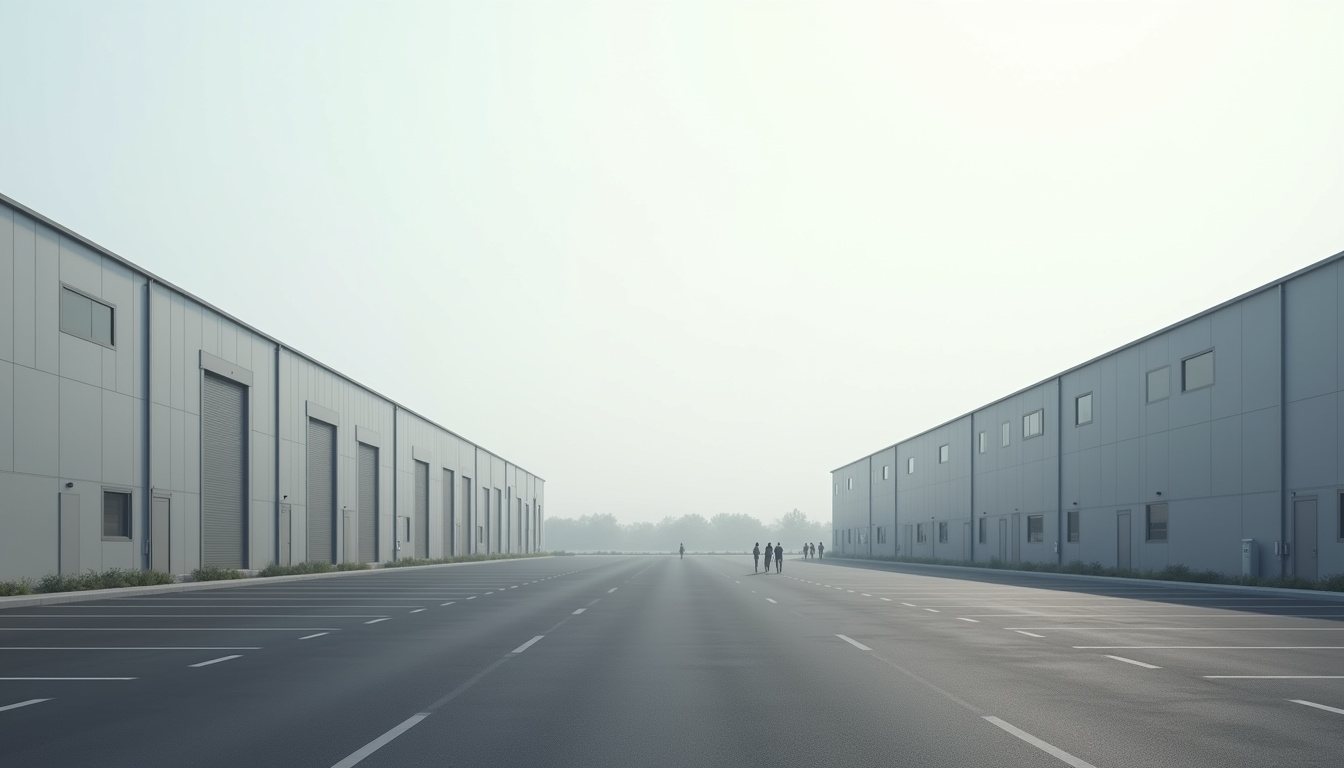
Most people know a retail park when they see one: a row of large, box-like shops facing a big open car park, usually on a main road at the edge of a town. Yet the differences between a retail park, a shopping centre and a traditional high street matter more than they first appear. They affect who sets the parking rules, how easy it is to get between shops, what you can carry home and even which shops are likely to be there.
The basic definition
A retail park is a group of three or more large retail units, usually single-storey, sharing a surface car park, built and owned as one site. Each unit has its own front door opening straight on to the car park or a pavement in front of it. There is normally no shared indoor space: you walk outside between shops.
The units are often called "big boxes" in the property trade. Floor areas are much larger than a typical high street shop, which is why retail parks attract furniture, DIY, electrical, home furnishing, pet supply, sports and discount variety retailers. Many now also include a food store, a drive-through coffee shop or fast-food outlet, and sometimes a gym.
Retail park, shopping centre or high street?
The three formats overlap, and some sites blend them. As a rough guide:
| Retail park | Shopping centre | High street | |
|---|---|---|---|
| Layout | Separate large units around an open car park | Shops under one roof, joined by indoor malls | Shops along public streets |
| Parking | Large free or time-limited surface car park, usually private | Multi-storey or surface, often paid | Council car parks and on-street bays |
| Who owns the land | One landlord for the whole site | One landlord for the centre | Many separate owners; streets are public highway |
| Typical shops | Bulky goods, DIY, electricals, discount, food | Fashion, department stores, food court | Mixed, including independents and services |
| Weather | Outdoors between shops | Indoors | Outdoors |
The ownership row is the one that catches people out. On a high street, the road and most parking belong to the council, and parking enforcement follows public rules. At a retail park, the car park is private land. The landowner decides how long you can stay, and if you break those terms you receive a private parking charge rather than a council penalty. We explain the difference in detail in our guide to retail park parking charges.
Why retail parks are where they are
Retail parks spread across the UK from the 1980s onwards, at a time when car ownership was rising and town centres had little room for large stores. Developers looked for cheap, flat land with good road access: former industrial sites, land near ring roads and junctions, and the edges of towns.
Planning policy has since tightened. In England, national planning policy asks councils to apply a "sequential test" to main town centre uses such as shops, meaning applicants should look first at town centre sites, then edge-of-centre, and only then out-of-centre locations. Scotland, Wales and Northern Ireland have their own policies with a similar town-centre-first principle. The practical result for shoppers is that most retail parks you visit today were built some time ago or have been extended, and new ones are less common than they were.
What that means for a shopping trip
You will probably drive
Retail parks are designed around cars. Bus services often stop on the main road outside rather than in the site, and pedestrian routes between neighbouring parks can be poor. If you are not driving, check the bus stop location and walking route before you set off, and think about how you will carry anything heavy. Our guide to getting bulky purchases home covers delivery and van hire.
Parking is free, but not unlimited
Most retail park car parks do not charge, but many have a maximum stay, commonly somewhere between two and four hours, enforced by cameras that read number plates on the way in and out. The signs at the entrance set the rules. Time spent in a queue to leave counts, so build in a margin.
Walking between shops is outdoors
There are rarely covered walkways. On a wet day, or with small children or a mobility aid, moving the car between ends of a large park may be easier than walking. Our accessibility guide covers Blue Badge bays, mobility scooter hire and accessible toilets.
Opening hours vary shop by shop
Each unit sets its own hours within the law. On Sundays in England and Wales, the larger shops can only open for six continuous hours between 10am and 6pm, so a food store and a furniture shop next to each other may open at different times. See our guide to Sunday trading hours.
Retail parks are changing
Retail parks have held up better than many shopping centres over the past decade, partly because they suit click and collect and partly because large units are cheaper to run. You are increasingly likely to see:
- Click and collect points, parcel lockers and dedicated collection bays (see our click and collect guide).
- Electric vehicle charging bays, often rapid chargers run by a separate charging company (see EV charging at retail parks).
- Drive-throughs and food outlets on separate small plots near the entrance.
- Units split into two smaller shops, or converted to leisure uses such as gyms and trampoline centres.
Your rights do not change with the location
Whether you buy a sofa at a retail park or a jumper on the high street, the same consumer law applies. Goods must be of satisfactory quality, fit for purpose and as described under the Consumer Rights Act 2015, and the remedies when they are not are identical. Our guide to returning goods explains how those rights work, and how they differ from a shop's own returns policy.
Retail park layouts, maximum stays and shop line-ups change regularly. Always check the signs on the day and the individual shop's own website for current hours and services.