EV charging at retail parks: a practical guide
A retail park can be a handy place to top up an electric car while you shop, as long as you understand the two sets of rules you are agreeing to.
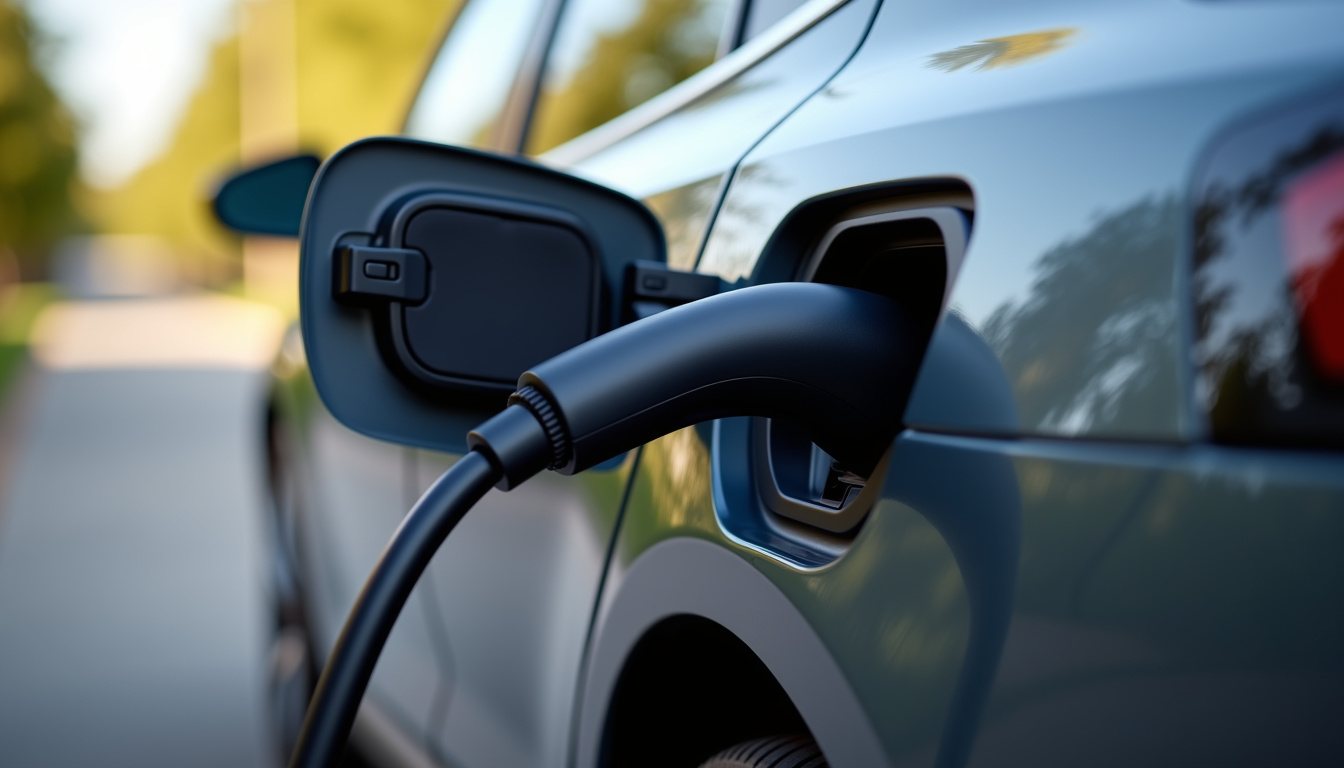
Charging bays have become a normal sight at retail parks. They suit the way people use these sites: you park, spend half an hour or an hour in a couple of shops, and come back to a fuller battery. But charging at a retail park involves two separate arrangements, one with the charging company and one with the landowner's car park rules. Problems usually come from forgetting the second one.
What kind of charger will you find?
Retail parks tend to host either rapid chargers aimed at quick top-ups, or slower destination chargers.
| Type | Typical output | Connector | What it suits |
|---|---|---|---|
| Destination (AC) | 7kW to 22kW | Type 2 socket, bring your own cable | A long visit; adds a modest amount of range per hour |
| Rapid (DC) | 50kW and above | CCS tethered cable (some older units also CHAdeMO) | A 20 to 45 minute stop |
| Ultra-rapid (DC) | 150kW and above | CCS tethered cable | Short stops, if your car can accept high power |
Your car limits how fast it can charge. A car with a maximum DC rate of 50kW will not charge faster on a 150kW unit, though it may cost the same per kWh. Charging also slows as the battery fills, which is why most people stop at around 80% on a rapid charger.
Paying: what the law now requires
The Public Charge Point Regulations 2023 set minimum standards for public chargers in Great Britain. The main points that matter at a retail park are:
- Contactless payment. New public chargers of 8kW and above must accept contactless card payment, and existing rapid chargers of 50kW and above had to be upgraded to do so.
- Clear pricing. Operators must show the price in pence per kilowatt-hour (p/kWh) before you start, so you can compare.
- Reliability. Operators of rapid chargers must meet a network reliability standard of 99% and report on it.
- A free 24/7 helpline. Every public charger must display a free phone number staffed at all times.
- Open data. Operators must publish live information such as whether a charger is working and in use, which is why third-party maps are more accurate than they used to be.
If you are charging in Northern Ireland, different arrangements may apply, so check the charger's own information.
Price per kWh at rapid chargers is usually much higher than home charging. If you have off-peak electricity at home, a retail park rapid charger is best seen as a convenience top-up rather than your main source of charge.
The other set of rules: the car park
The charging company runs the charger; the landowner, usually through a private parking operator, runs the car park. That means:
- The car park's maximum stay still applies. Plugging in does not extend it unless the signs say so.
- Charging bays may have their own limit, such as 60 or 90 minutes, and some are signed "for vehicles actively charging only". Parking a petrol car in one, or leaving an electric car there after charging stops, can lead to a private parking charge.
- The charging operator may add an overstay fee once charging has finished. This is separate from any parking charge.
In practice, read three things before you walk away: the car park entrance sign, any sign on the charging bay itself, and the tariff screen on the charger or in its app.
Making the stop work
Check the charger before you go
Use a live map or the operator's app to see whether a unit is working and free. Retail park chargers are often busiest at weekends around midday.
Plan your shopping around the charge
If you only need a quick top-up, plug in, do the shop nearest the bays, and come back. If the charger is a slower AC unit and you have a long list, that suits a longer stay, as long as it is within the car park's limit. Our trip planning guide suggests how to order a visit.
Set a reminder
Most charging apps send a notification when the session ends or reaches a set level. If you pay by contactless with no app, set a phone timer instead.
Keep a record
Take a screenshot or photo of the session start and finish. If you later receive a parking charge, a record showing when you were charging, and that the charger was in use, helps with an appeal.
Accessible charging
Many chargers are still difficult for some disabled drivers to use: heavy tethered cables, high screens, kerbs around the unit and narrow bays. A British standard for accessible charge points (PAS 1899) sets out good practice on things like bay size and screen height, but it is a voluntary specification rather than a legal requirement. If a charger is hard to use, the helpline on the unit is the place to report it. See our accessibility guide for more on getting around a retail park.
If something goes wrong
- Charger will not start: call the 24/7 number on the unit. Try a different card or the app if offered.
- Charged more than expected: compare the receipt or app record with the p/kWh price shown at the start. Contact the operator first; if your card was charged incorrectly, your card provider may also be able to help.
- Parking charge received while charging: appeal to the parking operator with your charging record, explaining that you were using a facility provided on site.
Charging etiquette at busy sites
Retail park chargers are shared, and a few habits make them work better for everyone. Move the car once you have enough charge for your journey, rather than waiting for 100%, especially on a rapid charger where the last 20% is slow. Do not unplug another driver's car, even if it looks finished; some cars lock the cable while charging, and interfering with someone else's vehicle can cause damage. If every bay is taken, check the operator's app for an estimated finish time, or use the wait to do the shop furthest from the bays.
Cable management matters too. Tethered rapid charger cables are heavy and can be a trip hazard if left across a walkway. Hang the cable back on its holder when you finish, and report damaged cables or connectors to the helpline shown on the unit rather than trying them again.
Finally, remember that the charger may be outside the shops' opening hours. Some retail park chargers are available around the clock, but the car park itself may have overnight restrictions or close at night. The car park entrance sign will say if that applies.