Buying large appliances: delivery, installation and the old one
A washing machine or fridge freezer is one of the bigger purchases most households make at a retail park. The price on the label is only part of the decision.
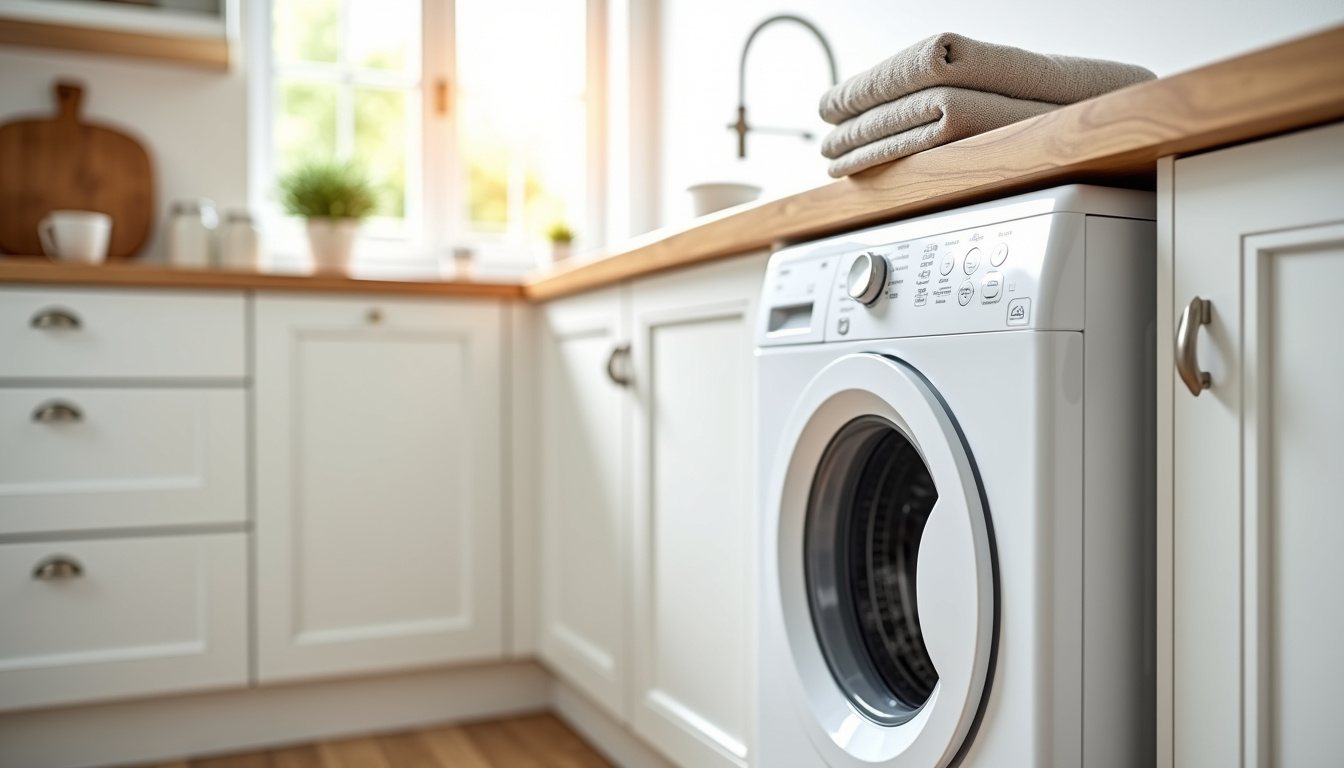
Large appliances, the "white goods" of the trade, are classic retail park purchases. Electrical retailers and some home stores display dozens of washing machines, dishwashers, fridge freezers and cookers side by side, and staff can explain the differences. What happens after the sale, though, matters as much as which model you choose: delivery, installation, getting rid of the old machine and knowing what to do if the new one fails.
Before you buy: measure and check connections
Most freestanding UK appliances are designed around a standard kitchen unit width of about 600mm, but heights and depths vary, and slimline models are narrower. Measure:
- The width, height and depth of the gap, leaving the clearance the manufacturer specifies for ventilation and for doors to open.
- Whether doors will open fully against nearby walls or units, and which way they hinge.
- The route in: front door, hallway, any steps or tight turns. A tall American-style fridge freezer may need its doors removed to get through a standard doorway.
- Connections: water supply and waste for washing machines and dishwashers, a suitable socket or dedicated circuit for cookers and hobs, and the gas supply for gas cookers.
If you are replacing an integrated appliance, the door fixing method and the exact dimensions matter even more. Take the old model number with you.
Reading the energy label
Most large appliances carry an energy label showing an efficiency class and annual energy use. In Great Britain, labels for fridges, freezers, washing machines, washer-dryers and dishwashers were rescaled in 2021 to a stricter A to G scale, so a model rated C on the newer label can be more efficient than one rated A+++ on the old one. Compare the annual kWh figure as well as the letter, and remember running costs depend on your own tariff and use.
Delivery: what to agree in advance
- Delivery date and window, and what happens if you are out. Rebooking may cost extra.
- Where it will be placed: kerbside, inside the door, or in position in the kitchen.
- Unpacking and packaging removal.
- Installation or connection, and what that covers. "Connection" for a washing machine usually means connecting to existing plumbing, not altering pipework.
- Removal of the old appliance, and any charge for it. It often has to be disconnected and drained before the team arrives.
Under the Consumer Rights Act 2015, goods must be delivered within 30 days unless you agree otherwise. If the retailer installs the appliance, your 30-day right to reject a faulty one starts when installation is complete. More on delivery rights in our guide to getting bulky purchases home.
Installation: the legal must-knows
Gas appliances
Anyone installing, connecting or disconnecting a gas appliance must be registered with the Gas Safe Register. This is a legal requirement, not a recommendation. Ask to see the engineer's ID card, which shows the types of gas work they are qualified to do, and check it on the register if in doubt.
Electrical work
Plugging in a freestanding appliance is not electrical installation work. Wiring in a cooker or hob, or adding a new circuit, is. In England and Wales, some electrical work in homes must meet building regulations and be notified to building control or done by an electrician registered with a competent person scheme; Scotland and Northern Ireland have their own rules. If the retailer's installer will not do the job, use a registered electrician.
Washing machines
New washing machines are shipped with transit bolts that lock the drum. They must be removed before use, and kept in case you move house. If the installer does not remove them, do it yourself following the manual before the first wash.
If it arrives damaged or develops a fault
- Check the appliance on delivery. If there is damage, refuse it or note it on the paperwork, and photograph it.
- Within 30 days of delivery or installation, you can reject a faulty appliance for a full refund under the Consumer Rights Act 2015.
- After 30 days, the retailer gets one chance to repair or replace it, at its cost. If that fails, you can reject it or ask for a price reduction.
- Your claim is against the retailer, even if it suggests calling the manufacturer. You can choose to use the manufacturer's guarantee if that is quicker.
The full process is in our guide to returning goods.
Extended warranties and care plans
You may be offered an extended warranty or care plan at the till. It is optional, and you do not need it to have legal rights. Before agreeing, check what it adds beyond the Consumer Rights Act and the manufacturer's guarantee, such as accidental damage cover, faster repairs, or cover after the guarantee ends. Check whether you can cancel and get a refund, and whether your home insurance already covers appliances.
Recycling the old appliance: WEEE take-back
Old electrical items must not go in general waste. The Waste Electrical and Electronic Equipment Regulations 2013 place take-back duties on retailers, known as distributors. In broad terms, a retailer selling you a new electrical item must either:
- take back your old item of the same type, free of charge, when you buy a new one (often by dropping it at the store within a set period), or
- be a member of the Distributor Takeback Scheme, which funds council recycling sites, and tell you where you can take your old item free of charge.
Retailers must give you information about the take-back options they offer. Collection of the old appliance from your home when the new one is delivered is a separate service. Many retailers offer it, but some charge for it.
The government has consulted on reforms to electrical waste rules, including proposals for larger retailers to collect old large appliances free when delivering new ones. At the time of writing these had not all taken effect. Check GOV.UK or ask the retailer what applies when you buy.
Fridges and freezers contain refrigerants and insulation foams that need specialist treatment, which is another reason to use the retailer's take-back or a council site rather than leaving one out for collection by an unlicensed waste carrier. If someone offers to take it away, check they are a registered waste carrier.
Register for safety recalls
Registering your appliance with the manufacturer means you can be contacted if a safety recall is issued. You can also check the government's product safety alerts and recalls listings.